

Best Live Aquarium Plants for Shrimp Tank
A shrimp tank usually tells you pretty quickly if the planting is right. When shrimp are out grazing, berried females feel secure, and tiny shrimplets have places to disappear into, the tank is working. That is why choosing the right live aquarium plants for shrimp tank setups matters more than just picking whatever looks green at the shop.
Shrimp do not use plants the same way fish do. They feed on the biofilm that builds across leaves and stems, they shelter in fine growth, and they benefit from the extra surface area plants create through the whole tank. Good plant choices also help steady water quality and soften the look of a shrimp tank without making maintenance harder than it needs to be.
What shrimp need from aquarium plants.
The best shrimp plants are not always the flashiest ones. In a shrimp tank, practical traits matter more. You want plants that stay healthy under stable aquarium conditions, handle being fully submerged, and give shrimp places to graze without turning the tank into a constant trimming job.
Fine-leaved stems, broad-leaved epiphytes, and easy background growers all have a place. Fine leaves catch food and grow biofilm. Broader leaves give shrimp an open feeding surface. Dense stems create cover for shrimplets, which is especially useful in mixed tanks or any setup where young shrimp need extra security.
There is also a difference between plants grown for aquariums and plants that have simply been kept wet. Fully submerged-grown stock tends to settle in faster because it is already adapted to underwater life. That usually means less melt, less stress, and fewer surprises after planting. In a shrimp tank, that matters because decaying plant material can foul water if too much of it breaks down at once.
Best live aquarium plants for shrimp tank stability.
If the goal is a healthy, low-fuss shrimp tank, a handful of reliable plant types do most of the heavy lifting.
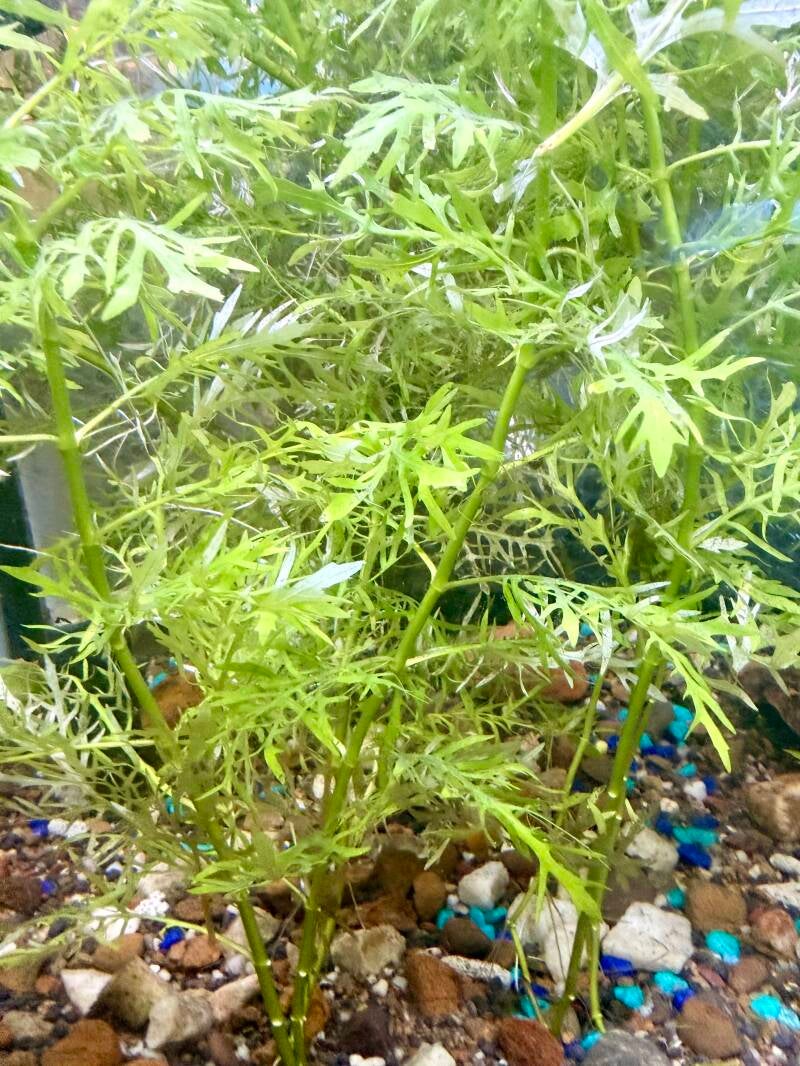
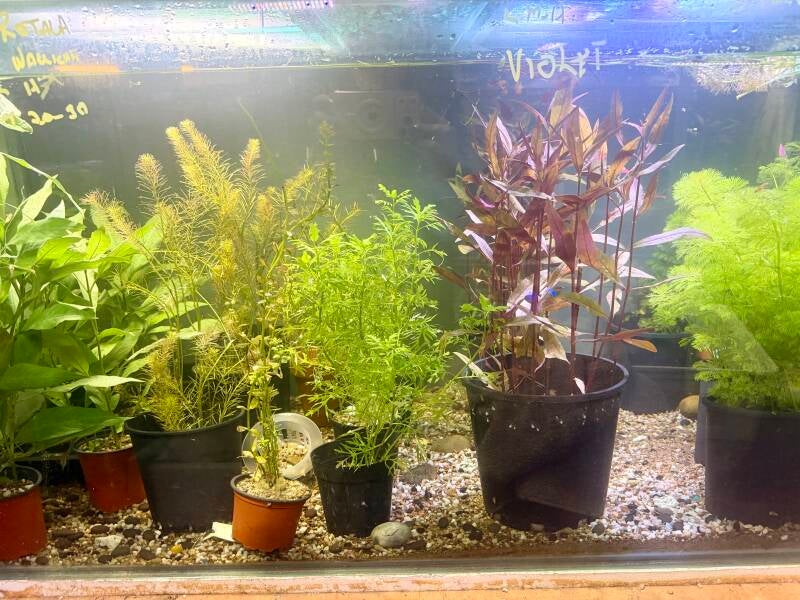
Ambulia is one of the better options for soft cover. It grows quickly under decent light, develops a feathery structure that shrimp move through easily, and gives shrimplets excellent hiding space. In tanks with enough nutrients, it fills out nicely and helps create that dense planted look many shrimp keepers want. The trade-off is that fast growth means regular trimming. If you ignore it for too long, it can shade slower plants beneath it.
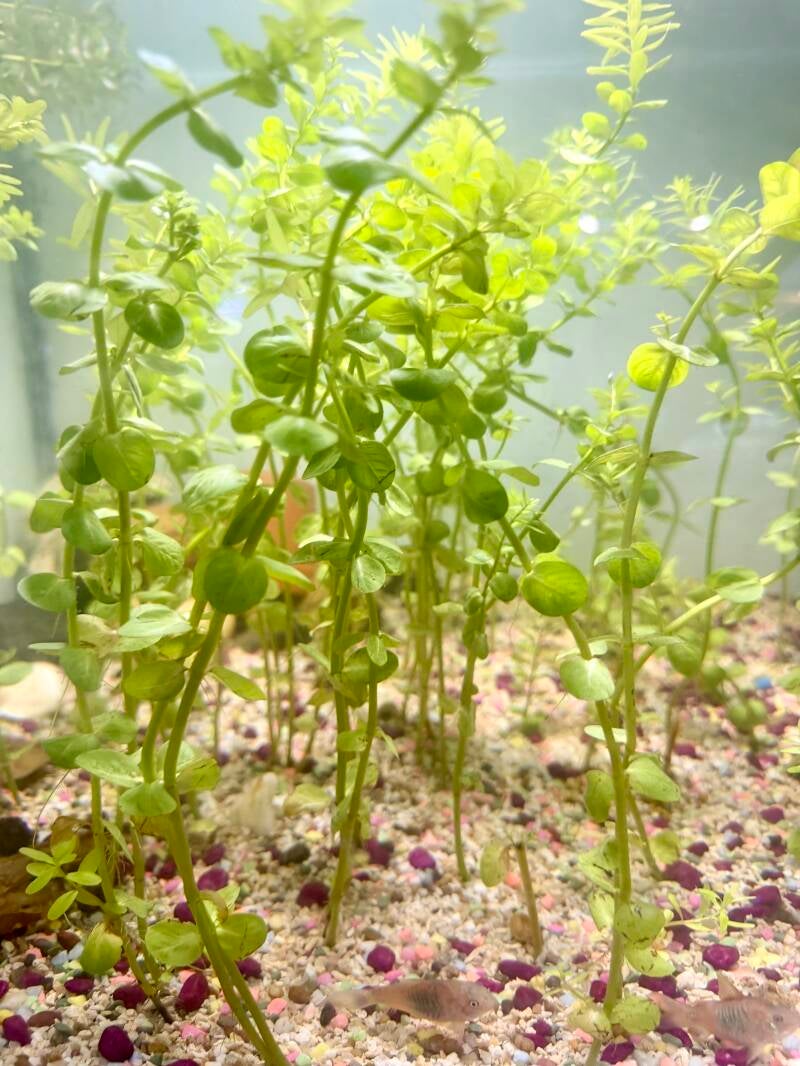
Bacopa is a simpler stem plant with thicker leaves and a more upright habit. Shrimp will graze across the leaf surfaces, and the plant is generally forgiving once settled. It does not create the same fine shelter as Ambulia, but it is easier to keep tidy and suits keepers who want structure without a lot of fuss. It is also a good choice for newer hobbyists because it gives a clear visual cue when conditions are off - stunted growth or leaf drop tells you something needs attention.
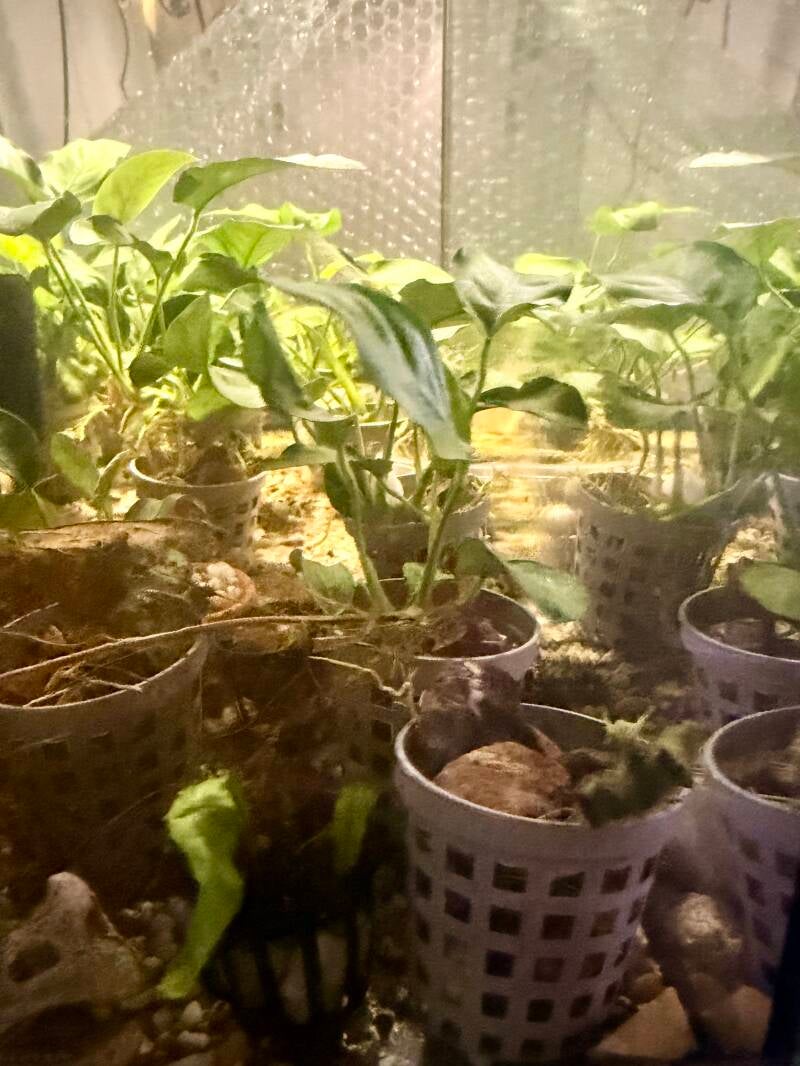
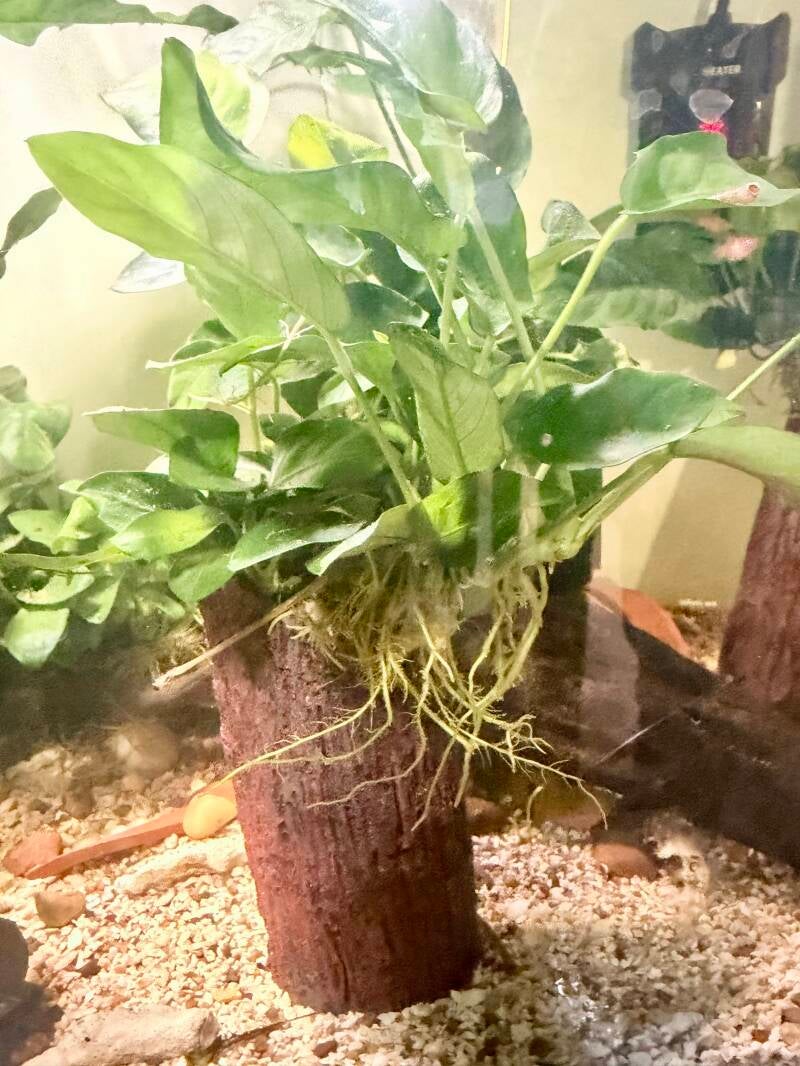
Java fern, including Indo Java fern, works differently from stem plants but suits shrimp very well. Its leaves offer steady grazing surfaces, and because it is typically attached to wood or rock rather than buried in substrate, it adds planting options in smaller or more detailed layouts. It is slower growing, which means less pruning, though also less rapid nutrient uptake. In low-tech shrimp tanks, that slower pace is often a benefit rather than a drawback.
Narrow leaf ludwigia can be a good fit where you want a finer stem plant with a different texture. It adds shape and movement to the background or midground and gives shrimp another set of surfaces to work over. Like many stem plants,
its performance depends on light and general tank balance. It can do very well, but if conditions are poor it will show it.
Matching plants to your shrimp setup.
Not every shrimp tank needs the same plant mix. A breeding-focused tank usually benefits from denser growth and more cover. A display tank may need a balance between visibility and shelter. The best result often comes from combining plant types rather than relying on one species.
If you are keeping Neocaridina in a simple community-style setup, a combination of tast stems and one slower plant works well. Ambulia or Hygrophila can handle the nutrient load and provide cover, while Java fern gives stable hardscape planting and reliable grazing area. That mix is easy to manage and forgiving if you are still learning how your tank behaves.
For a smaller shrimp-only tank, Bacopa and Java fern can be a better fit than aggressive stems. They are easier to contain and less likely to overrun the layout. You still get useful plant mass, but maintenance stays reasonable.
If shrimplet survival is the main priority, denser stems deserve more space. Fine growth matters because young shrimp spend a lot of time in cover where food collects and predators, even accidental ones, are less of a problem.
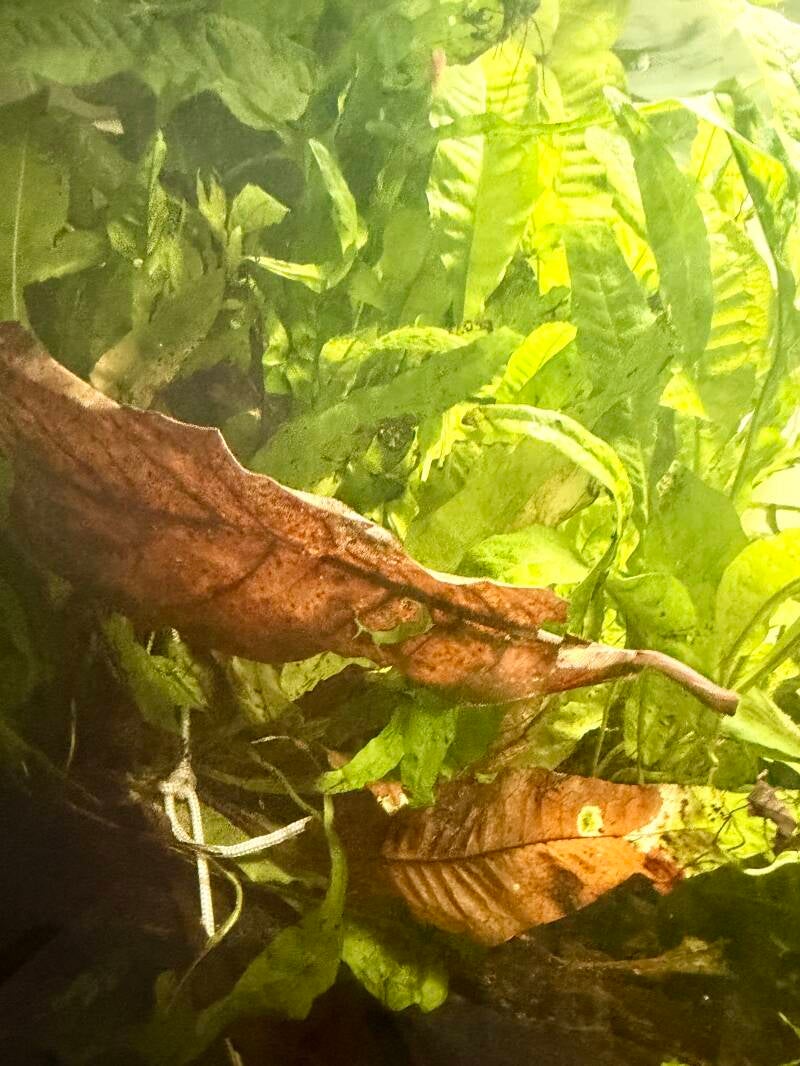
Why plant growing method matters in shrimp tanks.
This part gets overlooked, but it should not. A shrimp tank is less forgiving than many fish tanks when new plants arrive covered in residue, grown hard on synthetic fertilisers, or converted from emersed growth and then dumped underwater. Shrimp keepers often notice problems early because shrimp react quickly to poor water quality and sudden changes.
Plants that are already grown submerged have a practical advantage. They are better prepared for immediate aquarium placement, and they usually transition with less leaf melt.
Cleaner plants also reduce the amount of rubbish introduced into the tank. When plants are maintained in active aquarium systems with shrimp as natural cleaners, that tends to produce stock that is better aligned with the needs of a real planted tank.
That does not mean every emersed-grown plant fails. Plenty can convert. But conversion is still a stress period, and in a shrimp tank that extra uncertainty is not always worth it if healthier, aquarium-ready stock is available.
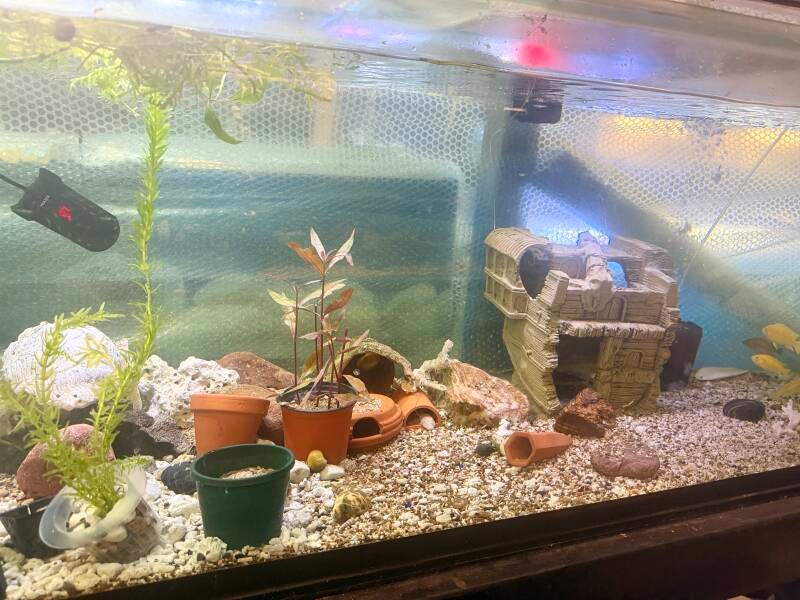
Setting up live aquarium plants for shrimp tank success.
Plant choice matters, but setup and aftercare matter just as much. Shrimp tanks do better when planting is finished before livestock is added, or at least before the colony is expected to breed heavily. That gives plants time to root, settle and start producing the surfaces shrimp depend on.
Use enough plant mass from the beginning. One or two small bunches in a bare tank may look tidy, but they do not create the same stability as a properly planted layout. More plant mass means more surface area, more nutrient use, and more shelter straight away.
Keep trimming practical. Fast-growing stems are excellent, but only if you are happy to stay on top of them. If you know you prefer a lower-maintenance tank, lean more on Java fern and slower growers, then use just enough stem plant to support water quality.
It also pays to avoid major disturbance once the tank is running well. Shrimp colonies like consistency. Pulling out half the plants, shifting hardscape, or doing heavy rescapes too often can unsettle the whole system.
Common mistakes with shrimp tank plants.
The most common mistake is choosing plants for looks alone.
A plant may suit a showroom tank and still be a poor choice for a working shrimp setup if it melts badly, demands constant pruning, or struggles underwater.
Another mistake is adding too little cover. Adult shrimp may seem fine in open space, but shrimplets benefit from density.
Even in a peaceful tank, they need places where food settles and they can feed without exposure.
The other issue is poor plant quality at purchase. If stems arrive soft, damaged, dirty, or not properly adapted to submerged growth, the tank carries that burden. Healthy stock saves time and usually saves livestock stress as well.
For Australian hobbyists, especially those ordering plants rather than selecting them in person, this is where a specialist grower can make a real difference. Wide Bay Aquatic Plants focuses on fully submerged-grown stock that is maintained in aquarium conditions, which is exactly the kind of starting point shrimp keepers tend to value.
A shrimp tank does not need rare plants or complicated gear to work well. It needs healthy plants that settle fast, offer cover, and stay useful over time. If you build around that, the shrimp usually show you the rest by getting out where you can see them.